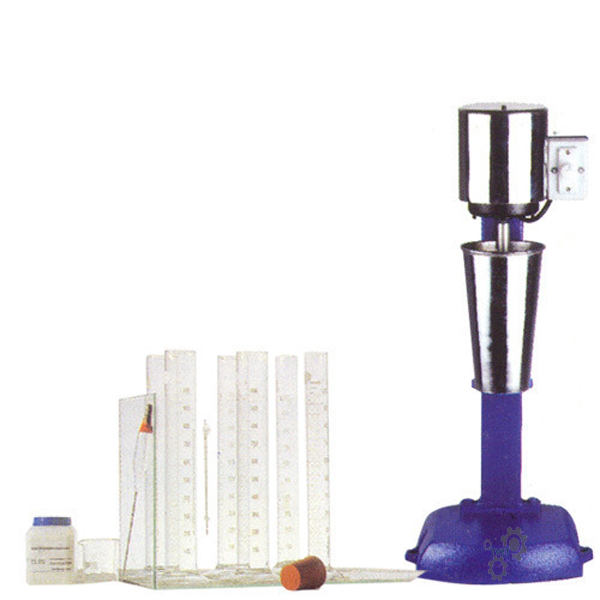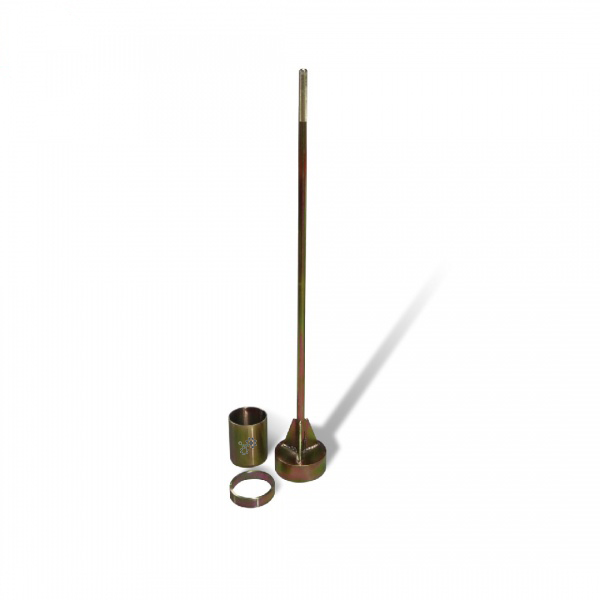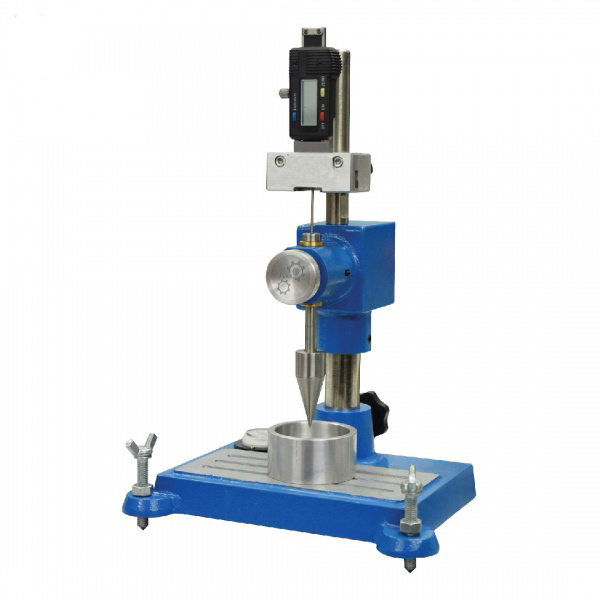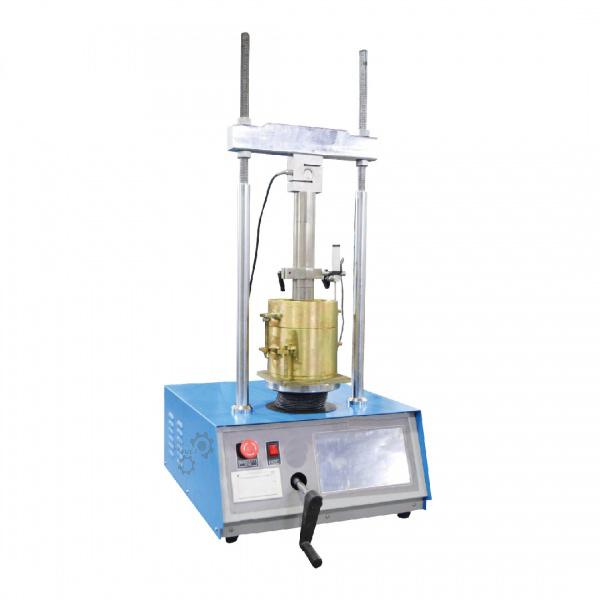
Falling Head Permeameters Manufacturer,Supplier and Exporter in India
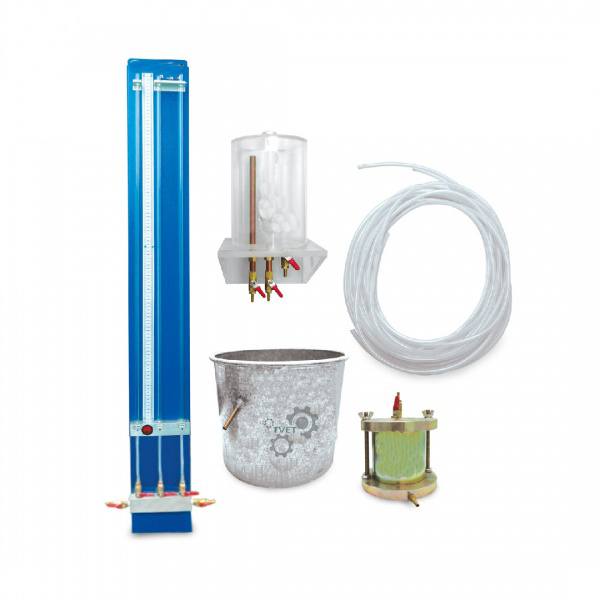
Product Code : TVT-STE-10585
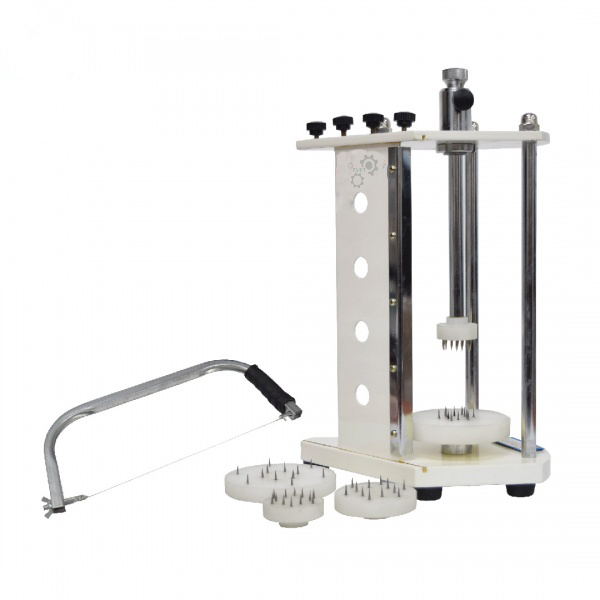
Falling Head Permeameters are used to determine the coefficient of permeability of fine-grained soils such as clays and silts, where flow rates are too low for a steady-state constant head test to be practical.
How It Works
Water is allowed to flow through the soil specimen from a standpipe of known cross-sectional area, and the permeability is calculated from the rate at which the water level falls in the standpipe over a measured time interval, rather than from a steady flow rate. Because fine-grained soils permit only very slow seepage, this falling-head approach can resolve the low permeability values typical of clay-like or silty soils far more practically than the constant head method.
Technical Specifications
Configuration and standpipe/cell dimensions vary by model — please confirm the exact specification with Tvet Equipments at the time of enquiry.
Applications
The falling head test is the standard laboratory method for permeability of low-permeability, fine-grained soils, governed by IS 2720 (Part 17): Laboratory Determination of Permeability and BS 1377 (Part 5): Permeability Tests, with rigid-wall permeameter testing also covered internationally by ASTM D5856: Standard Test Method for Measurement of Hydraulic Conductivity of Porous Material Using a Rigid-Wall, Compaction-Mold Permeameter. Results are used in seepage analysis, clay liner design and consolidation-related drainage assessments.
Related Products & Category
Browse the full Soil Testing Equipment range, or see Constant Head Permeameter and Auger Power Head.
Frequently Asked Questions
Why is the falling head method used for clays and silts?
Fine-grained soils have very low permeability, so a falling-head standpipe can resolve the slow flow rates involved far more practically than trying to sustain a steady constant head flow.
What is measured during the test?
The rate at which the water level falls in a calibrated standpipe over a measured time interval is used, together with the specimen and standpipe dimensions, to calculate the coefficient of permeability.
Which standards govern the falling head permeability test?
IS 2720 (Part 17) in India and BS 1377 (Part 5) govern the falling head method, with ASTM D5856 covering the broadly equivalent rigid-wall permeameter test internationally.
Request a Quote
To get a quotation for the Falling Head Permeameters, tell us the test standard you work to, the quantity and the delivery location. Request a quote from Tvet Equipments.
Last updated: September 2026